
In 2026, digital marketing is no longer optional for small businesses—it’s foundational. The shift isn’t just about technology; it’s about how people discover, evaluate, and trust businesses. Whether you run a local shop, a service business, or an online brand, your customers now live in a digital-first world. If your business isn’t present there, it effectively doesn’t exist to a large portion of your audience.
Below is a comprehensive, in-depth exploration of why every small business needs digital marketing in 2026, covering economic realities, consumer behavior, competition, and long-term growth
1 Consumer Behavior Has Fully Shifted Online
The most important reason is simple: your customers are online—constantly.
In 2026:
1 People search before they buy—even for local services
2 Reviews influence decisions more than advertising
3 Social media shapes trust and brand perception
4 Mobile devices dominate browsing and purchasing
Even in smaller towns and developing regions, smartphone penetration and affordable internet have transformed habits. A customer looking for a nearby tailor, restaurant, or mechanic will likely:
1 Search on Google
2 Check reviews
3 Visit social media pages
4 Compare alternatives
If your business isn’t visible during this process, you’re invisible.
2 Digital Marketing Levels the Playing Field
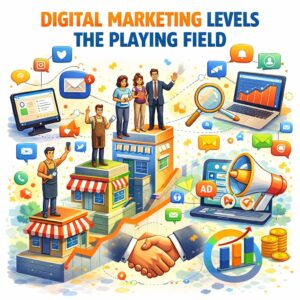
In traditional marketing (TV, newspapers, billboards), big businesses had a huge advantage because of budget.
Digital marketing changes that.
A small business can:
1 Run targeted ads with very small budgets
2 Reach only the exact audience they want
3 Compete with larger brands in niche areas
4 Build strong local or community-based presence
For example:
1 A local bakery can outrank a big chain in local search results
2 A freelancer can build a global client base from a small town
3 A home-based business can scale without physical expansion
Digital tools democratize marketing
3 Cost-Effectiveness and High ROI
Small businesses operate with limited budgets. Digital marketing is attractive because:
1 You can start with minimal investment
2 You can track every rupee spent
3 You can optimize campaigns in real-time
Compare:
1 Newspaper ad → expensive, hard to track results
2 Digital ad → measurable clicks, conversions, ROI
Channels like:
1 Social media marketing
2 Email marketing
3 SEO (search engine optimization)
offer long-term value at relatively low cost.
4 Precise Targeting
One of the biggest advantages in 2026 is hyper-targeting.
You can target people based on:
1 Location (even within a few kilometers)
2 Age, gender, interests
3 Buying behavior
4 Search intent
Example: A local gym can show ads only to:
1 People within 5 km
2 Age 18–40
3 Interested in fitness or weight loss
This eliminates waste and increases effectiveness dramatically.
5 Builds Trust and Credibility
n 2026, customers trust:
1 Online reviews
2 Social proof
3 Content and expertise
4 Brand consistency
A business without:
1 A website
2 Social media presence
3 Customer reviews
is often seen as unreliable or outdated.
Digital marketing helps build trust through:
1 Testimonials
2 Consistent posting
3 Helpful content
4 Engagement with customers
Trust is now built digitally before any physical interaction happens.
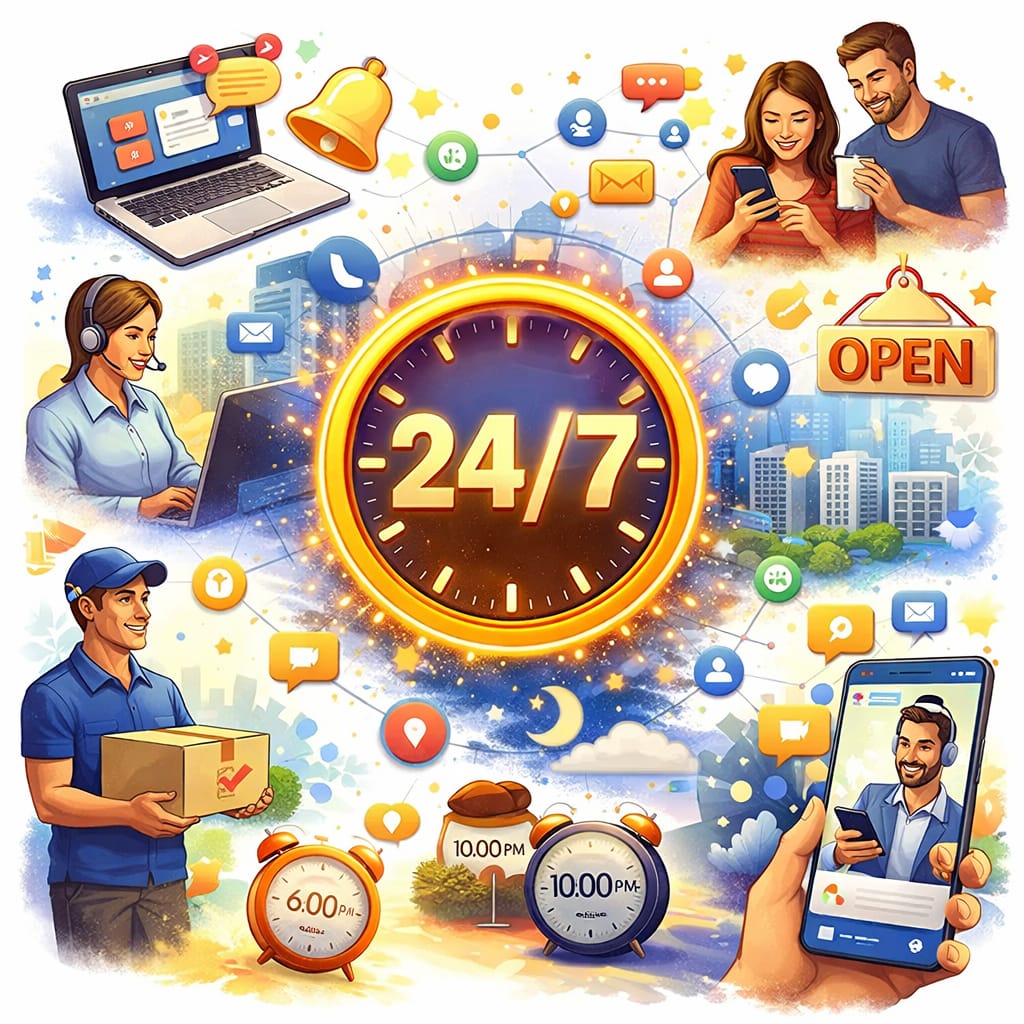
6 24/7 Presence and Availability
Unlike physical stores, digital marketing allows your business to be “open” all the time.
With:
1 Websites
2 Google listings
3 Social media pages
4 Automated chatbots
Customers can:
1 Discover your business anytime
2 Learn about your services
3 Contact you instantly
This is especially important in competitive markets where quick response times matter
7 Data-Driven Decision Making
Traditional marketing relies heavily on guesswork.
Digital marketing relies on data.
You can track:
1 How many people saw your ad
2 How many clicked
3 How many bought
4 Which content performs best
This allows:
1 Better decision-making
2 Faster improvements
3 Reduced risk
For small businesses, this means every action can be optimized for better results
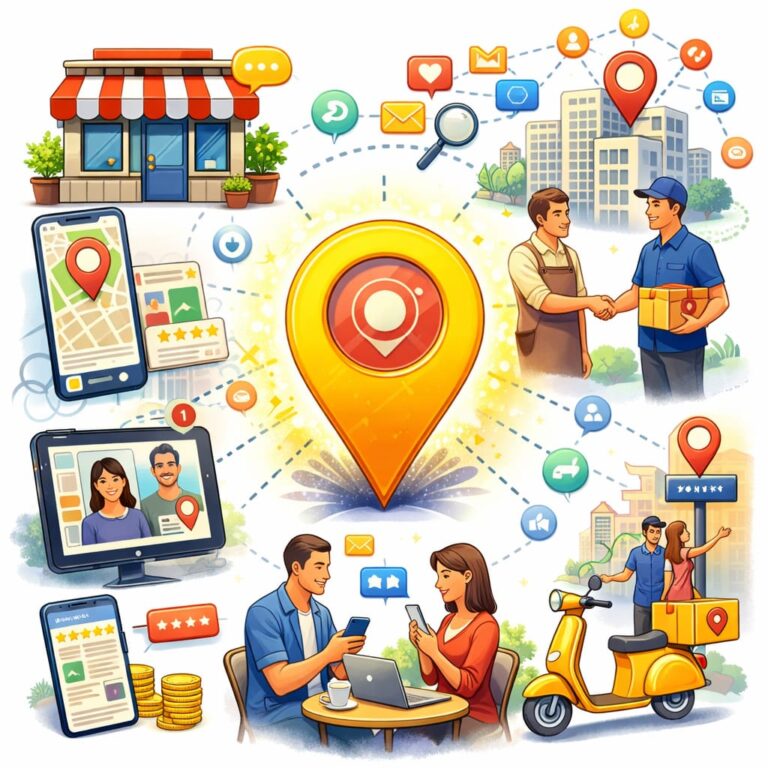
8 Essential for Local Visibility
For small businesses, especially local ones, digital marketing is crucial for local discovery.
Local SEO (Search Engine Optimization) ensures your business appears when people search for:
1 “best restaurant near me”
2 “plumber in [city]”
3 “mobile repair shop nearby”
Key tools:
1 Google Business Profile
2 Maps listings
3 Local reviews
Without these, even nearby customers may never find you.
9 Social Media Is the New Word-of-Mouth
Word-of-mouth hasn’t disappeared—it has gone digital.
Platforms like Instagram, Facebook, and short-video apps drive:
1 Discovery
2 Recommendations
3 Trends
4 Buying decisions
A single viral post can:
1 Bring hundreds or thousands of new customers
2 Build brand recognition instantly
Small businesses can:
1 Showcase products visually
2 Share behind-the-scenes content
3 Build personal connections with customers
This creates loyalty that traditional marketing struggles to achieve.
10 E-commerce and Online Sales Opportunities
In 2026, even small businesses are expected to offer some form of online purchasing or inquiry.
Digital marketing supports:
1 Online stores
2 WhatsApp ordering
3 Direct messaging sales
4 Marketplace listings
This allows:
1 Expansion beyond physical location
2 Increased revenue streams
3 Convenience for customers
Even a small shop can sell nationwide or globally.
11 Adaptation to Changing Technology (AI & Automation)
Digital marketing in 2026 heavily uses:
1 AI tools for content creation
2 Automated ad optimization
3 Chatbots for customer service
4 Personalized marketing
Small businesses that adopt these tools can:
1 Save time
2 Improve efficiency
3 Compete at a higher level
Those who don’t risk falling behind quickly.
12 Competitive Necessity
This is a critical point:
Even if you don’t adopt digital marketing, your competitors will.
That means:
1 They appear in search results
2 They get customer attention first
3 They build stronger brand recall
Over time:
1 You lose visibility
2 You lose customers
3 You lose relevance
Digital marketing is not just an opportunity—it’s a necessity to survive competition.
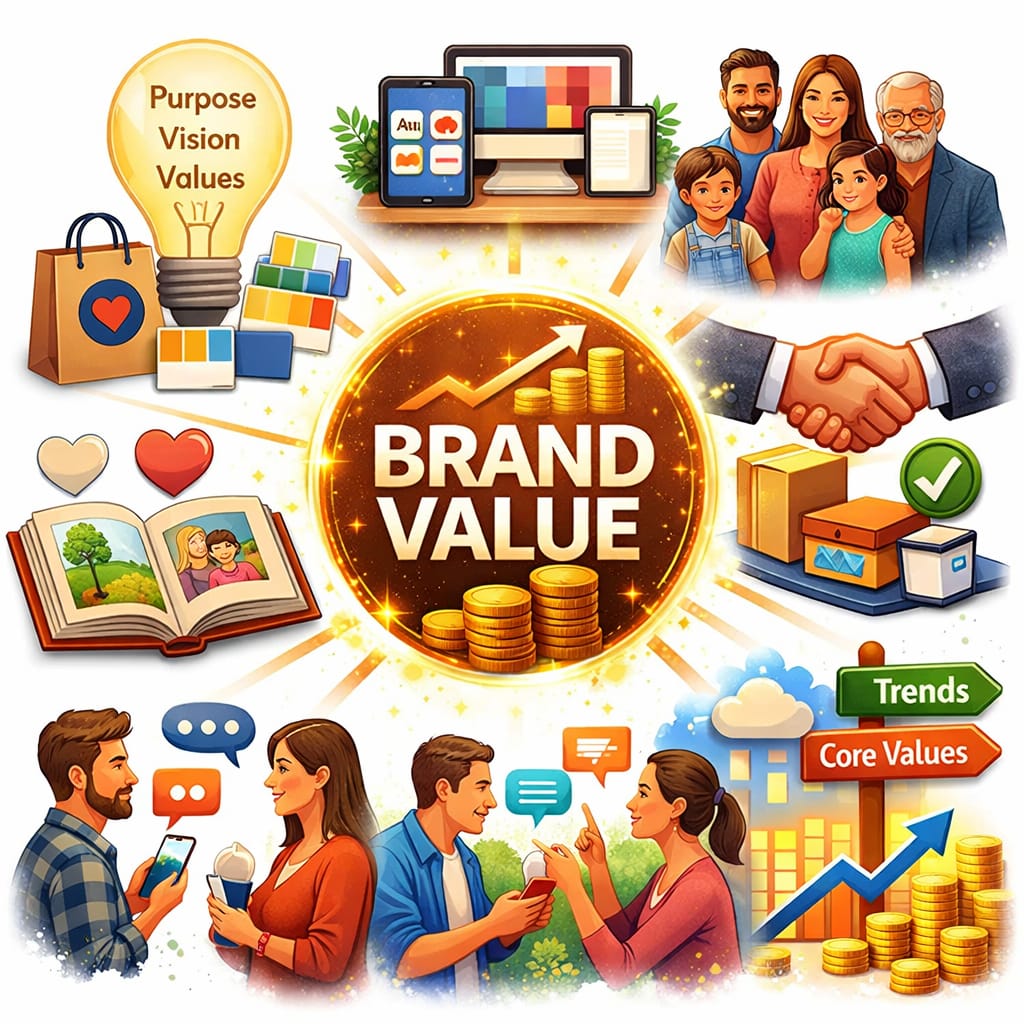
13 Builds Long-Term Brand Value
Digital marketing is not only about immediate sales.
It helps build:
1 Brand identity
2 Customer relationships
3 Community engagement
4 Loyalty
Content marketing, for example:
1 Educates customers
2 Positions you as an expert
3 Creates lasting impressions
This leads to repeat customers and referrals.
14 Flexibility and Speed
Digital marketing allows quick changes:
1 Launch campaigns instantly
2 Adjust strategies in real time
3 Test different approaches
For small businesses, this agility is a major advantage.
You can:
1 Try new ideas
2 Learn quickly
3 Scale what works
15 Crisis Resilience
Recent global events have shown that businesses without digital presence struggle during disruptions.
Digital marketing enables:
1 Continued customer communication
2 Online sales during closures
3 Adaptation to changing conditions
This makes businesses more resilient.
In a world where customers live online, the future of small business success depends on how effectively you meet them there.